
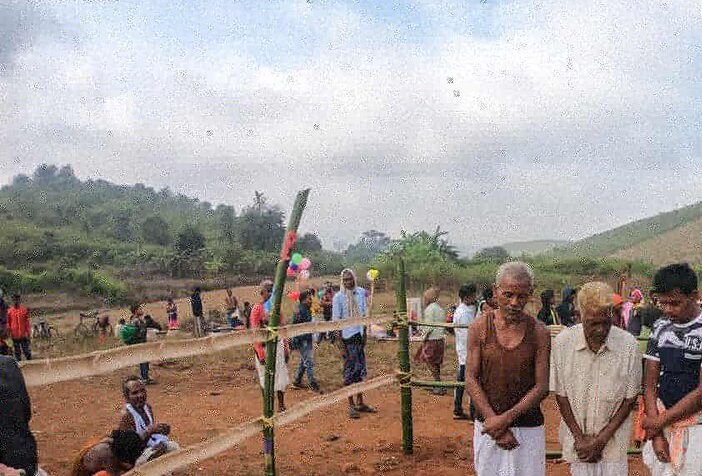
The enduring story of the Tokimara festival of Kalahandi
Known as Tokiparab or Tokimara, this festival is one of the oldest living expressions of tribal cosmology and communal identity, celebrated with deep reverence, vibrant music and traditional dances that have survived centuries of change.

In the heart of Odisha’s rich tribal landscape, tucked away in the forests and hills of Kalahandi and Koraput, there is a festival whose rhythms echo the ancient beliefs and collective hopes of the Kondh-paraja community. Known as Tokiparab or Tokimara, this festival is one of the oldest living expressions of tribal cosmology and communal identity, celebrated with deep reverence, vibrant music and traditional dances that have survived centuries of change.
Each year, as the brightness of Pausa wanes and the festive season of winter festivals begins, villages come alive for this multi-day celebration that binds nature, community and ritual in a tapestry of shared meaning. The very name speaks of its origins: Toki refers to the young unmarried girl who symbolises life’s promise and future fertility, and Mara carries the weight of sacrifice that once lay at the heart of this ceremony. Historically, this was imagined as an offering to Dharanimata, the Earth Mother, to secure abundant harvests, good rains and the health of both people and livestock. In its earliest form, the rituals reflected a literal interpretation of these beliefs.
The festival unfolds over seven days, each with its own rhythm and meaning. Long before the main ritual, men and women venture into nearby forests to gather leaves, wood and materials needed for the festival, beginning the cycle with a collective act of preparation and community effort. Shamans and priests lead worship of the Sun God and the universal tribal deity Gurubudha, invoking protection and blessings. The descent of the sacred axe, the Tangi, from the hilltops back into the village symbolises the earth’s spirit returning to the people, a moment of communion between the seen and unseen.
Central to the festivities is the procession that culminates on Tokimara day. Villagers from neighbouring places wind their way to the host village in a jubilant march, carrying traditional music, big drums, bamboo poles adorned with red cloth and peacock feathers, and holding wooden clubs or axes that beat time with every step. There is a ceremonial cutting of the banana tree at the village entrance, not an act of violence, but a symbolic opening of the heart of the community to welcome all who come.
While in the past the rituals interpreted the offering of a virgin girl as central to the festival, through time survival and reform have transformed the tradition. The modern festival often employs symbolic substitutes, such as animals or curated representations, to embody the ancient plea to Mother Earth for fertility and prosperity, reminding both participants and observers of the powerful human impulse to seek harmony with nature without resorting to actual human sacrifice.
Beyond the solemn, deeper spiritual layers, Tokimara carries a social pulse that resonates for the youth of the community as well. Dance, song and celebration punctuate moments of ritual, offering occasions for young people to meet, sing together and weave new bonds under the protective gaze of their ancestral deities. From dawn till dusk, laughter and music rise into the sky, binding generations together through shared memory and joy.