
A New Dawn in Koraput: EMRS Raniguda Lights the Path to Tribal Empowerment
The newly inaugurated Eklavya Model Residential School (EMRS) at Raniguda, formally opened by Prime Minister Narendra Modi on November 15, now stands as a symbol of hope for hundreds of tribal children who have long been distanced from the pathways of modern education.

In the quiet, mist-laced hills of Koraput, a new chapter of possibility has begun to unfold. The newly inaugurated Eklavya Model Residential School (EMRS) at Raniguda, formally opened by Prime Minister Narendra Modi on November 15, now stands as a symbol of hope for hundreds of tribal children who have long been distanced from the pathways of modern education.
For families across Kundra block, the sight of the state-of-the-art campus, complete with airy classrooms, secure residential hostels, and vibrant sports facilities, marks more than just the launch of an institution. It represents a long-awaited bridge linking remote tribal hamlets with quality education and a future once thought unreachable.
Designed to begin with 120 students and scale up to a strength of 480, the EMRS promises holistic, free CBSE education from Classes 6 to 12. Students here will not only receive boarding and meals but also structured support for academic, physical, and creative growth. What distinguishes the school is its unique blend of modern teaching practices with a deep respect for tribal culture, a model the Union Ministry of Tribal Affairs has been steadily nurturing across India.
“We are committed to ensuring that tribal youth receive the same opportunities as any other child in India,” Prime Minister Modi said during the inauguration, underscoring education as the cornerstone of transformation in tribal areas.
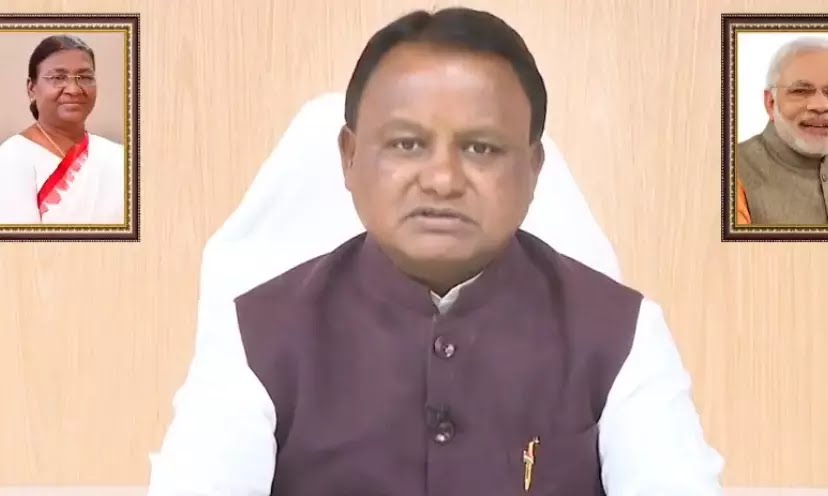
Odisha Chief Minister Mohan Charan Majhi, who shared the stage with the Prime Minister, hailed the initiative as “a significant step towards empowering tribal communities while preserving their heritage.” He also commended the execution of the project by K.N. Mishra Constructions (India) Pvt. Ltd., led by Bikram Keshari Praharaj, under the supervision of Hindustan Steelworks Construction Limited (HSCL).
Strengthening this momentum, the Prime Minister also laid the foundation stone for another EMRS at Bandhugaon, signalling an expanded focus on southern Odisha, a region celebrated for its rich tribal heritage yet challenged by developmental gaps.
The EMRS model itself has traversed a meaningful journey since its inception in 1997–98. Conceived to provide quality education to Scheduled Tribe students in remote pockets, the schools aim not only to deliver strong academics but also to nurture leadership, sportsmanship, creativity and cultural pride. With facilities on par with Navodaya Vidyalayas and dedicated spaces for local tribal art, traditions and language, each EMRS campus is designed as a sanctuary for holistic learning.
Across India, hundreds more such schools are slated to come up by 2026, reflecting a growing national commitment to inclusive education.
But for the young minds of Koraput, these numbers carry a more intimate meaning. Within the walls of the new Raniguda campus, children who once faced uncertain futures can now envision dreams taking shape, dreams nurtured in classrooms that echo with ambition, confidence, and the promise of a brighter tomorrow.