
Karam (Karma) Festival: A Celebration of Tribal Life and Nature
Karam (Karma) Festival: A Celebration of Tribal Life and Nature

Tribes Insight Bureau: Karam, popularly referred as Karma, is a festival of harvest and youthfulness which is widely being celebrated in various parts of India and Bangladesh. The festival is marked by worshipping of Karam Devta, who is the god of power, youth, and youthfulness. The festival is marked by praying for a good harvest and good health. The Karam festival celebrated on September 22, 2026, was a grand occasion for the tribal areas of Odisha and is full of faith, music, and heritage. This ancient festival is predominantly celebrated in northern and western parts of the state including Sundargarh, Mayurbhanj, Keonjhar, and Sambalpur. Along with Odisha, it is also being widely celebrated in Chhattisgarh, Assam, West Bengal, Bihar, and Jharkhand.
Karam puja, which is a festival marking fertility of agriculture and fraternal love, is celebrated on the eleventh day of bright moon in Hindu month of Bhadra (Bhadra Ekadashi). The festival is celebrated by the blessings of Karam Devta, the god of youth, power, and prosperity. The farmers pray for a good harvest and security of the crops and the unmarried women observe fasts for the longevity and prosperity of their brothers.
The festival is closely associated with the rich folklore of the tribe. According to legends, when two merchants named Karma and Dharma suffered severe distress due to their poverty. Out of anger and frustration, Karma threw a piece of the Karam tree branch into the river. Later, Karma recognized his mistake and apologized to the God who blessed him back with his prosperity. This ancient legend teaches people that the survival of humans depends on the respectful usage of natural resources and the maintenance of nature’s environment.
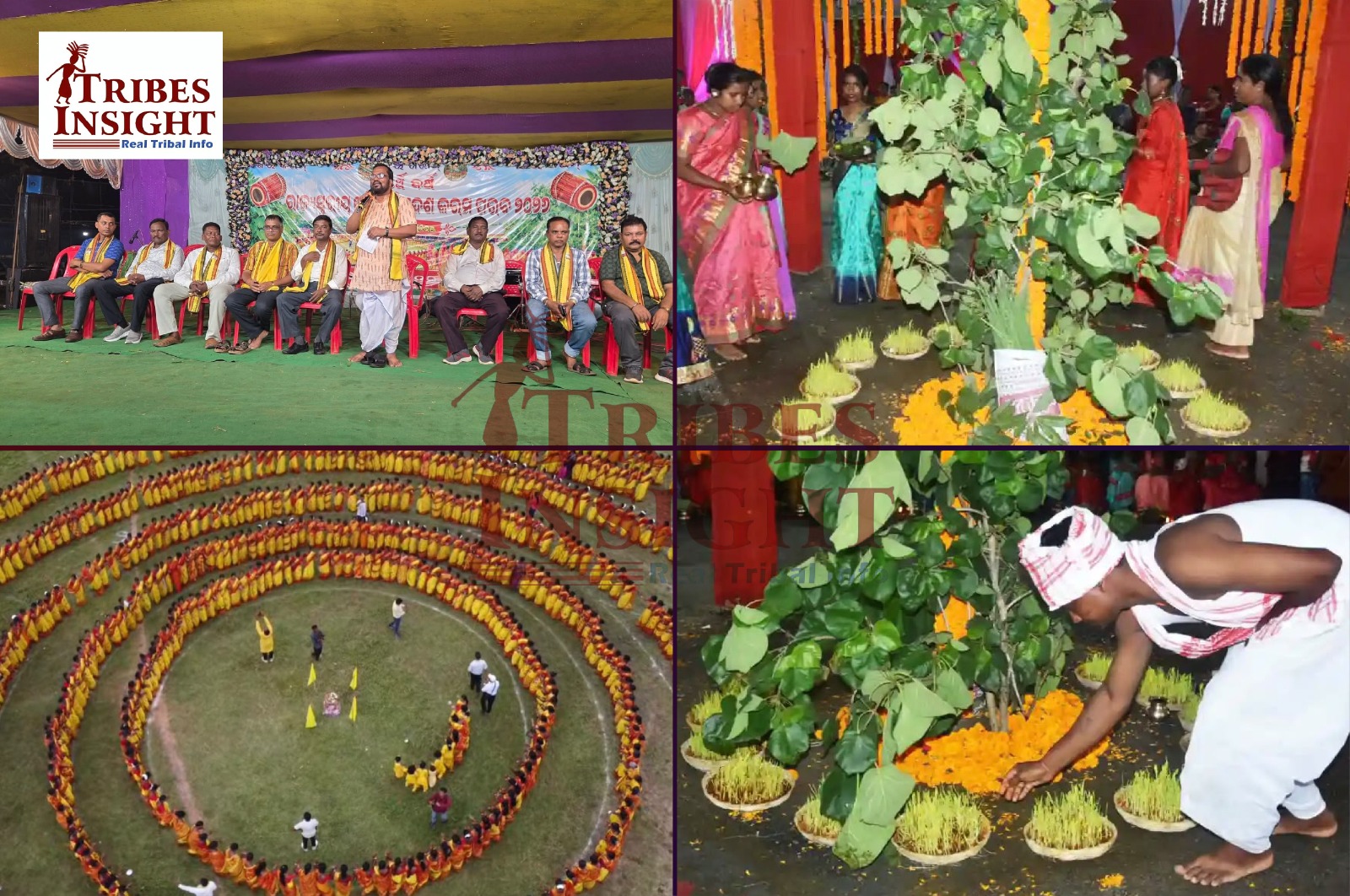
The huge celebration lasts several days of preparations. It starts with the ‘Jawa Phul’ ceremony when unmarried girls plant seven types of grain seeds in small bamboo baskets filled with river sand. They water the seeds every day so that these grains turn into beautiful yellowish stalks on the festival day.
The 2026 Karam Festival in Odisha was celebrated with an overwhelming display of cultural pride and communal harmony on September 22 and 23, 2026. Tribal heartlands like Sundargarh, Rourkela, and Mayurbhanj came alive as thousands of youngsters and elders gathered at village akhras to plant the sacred Karam branches. On September 22 evening, the three branches of the Karam tree (Nauclea parvifolia) were chopped by the priest or community elder (Pahan) and taken to the village akhra with all due honors with the sound of madal, dhol, and nagara drums. The branches are put in the middle of the altar decorated with flowers, vermilion and cloth offerings.
At dusk, tribal groups consisting of the Oraon tribe, Munda tribe, Kharia tribe, and Santali tribe gathered at the akhada. The girls presented their Jawa sprouts, and the elders narrated the stories of Karam Devta. The atmosphere then shifted into an all-night spectacle of joy. Men and women, dressed in traditional handwoven attire, locked arms and performed the spellbinding Karam dance, moving gracefully to rhythmic folk songs. The grand celebration concluded on the next morning, September 23, with the ritual immersion (visarjan) of the branches in local rivers, leaving behind a renewed vow to protect the Earth.