
Odisha’s Tribal Beliefs and the Thin Line Between Faith and Harm
For many tribal communities, these practices are more than folklore, they form a living framework for understanding the uncertain world around them, where illness, crop failure and misfortune often defy scientific explanation.

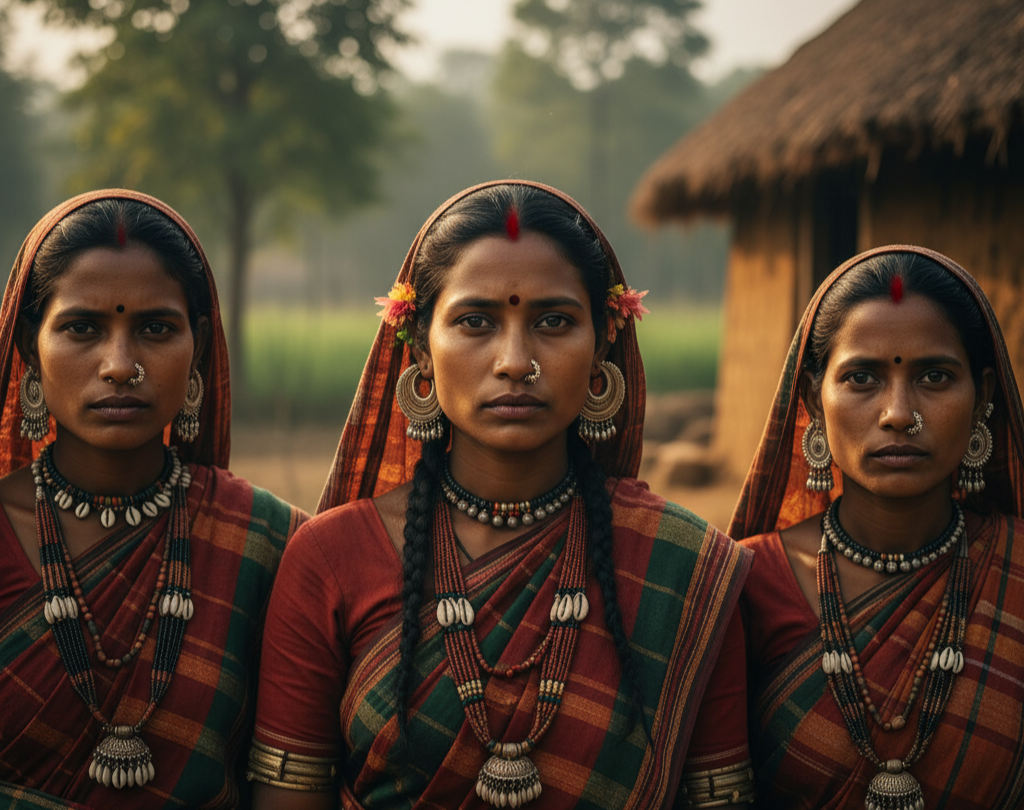
In the remote tribal villages of Odisha, where forest, nature and tradition continue to shape daily life, belief in omens, spirits and rituals remains deeply embedded. For many tribal communities, these practices are more than folklore, they form a living framework for understanding the uncertain world around them, where illness, crop failure and misfortune often defy scientific explanation.
Anthropological studies of tribal belief systems in Odisha reveal a rich blend of animism, nature worship and ancestor veneration. These systems are governed by rules, taboos and rituals aimed at keeping the community in balance. When external supports such as education, healthcare and infrastructure are weak or distant, these internal mechanisms often fill the gaps and guide how communities respond to crisis or change.
A recent incident in the village of Patraguda, in Koraput district, shows how powerful such belief systems remain. Two young men witnessed two crows mating, an act locally regarded as a dire omen of death. The village responded swiftly: the men were declared “dead,” and symbolic funeral rites were performed, including burning effigies to neutralise the perceived curse. Though the spectacle may seem surreal to outsiders, in the local logic it was a protective ritual, intended to restore social and spiritual balance.
However understandable within its cultural context, this incident also highlights the fault lines. When belief replaces timely healthcare, legal protection or rational intervention, vulnerable individuals can suffer. The ritual in Patraguda tells a broader story of how tradition, poverty and marginalisation combine: limited access to services, low formal education and isolation often leave communities reliant on spiritual interpretations of misfortune.
Experts argue that change is possible but must be respectful and nuanced. Tribal belief systems are not simply anachronisms; they are part of identity, rooted in centuries of living close to nature and the spiritual. Interventions must engage trusted local figures such as village elders and traditional healers, rather than dismissing culture outright. At the same time, improving education, healthcare access and legal awareness in tribal zones would offer viable alternatives when omens and rituals currently dominate responses to crisis.
For journalists, the Patraguda case is a reminder that reporting on tribal practices demands sensitivity. More than sensationalising a bizarre moment, it calls for understanding the historical and social context that gives such rituals their power. By doing so, the focus shifts from mocking superstition to exploring how communities negotiate uncertainty, fear and change, and how outside actors might support that journey without erasing identity.
The intersection of nature-lore, spiritual logic and human vulnerability in Odisha offers both a window into tribal resilience and a signal of risk when belief systems become the only recourse. The task ahead is to help vulnerable communities evolve traditions with dignity, so that when omens appear, people have more than ritual to respond with.