
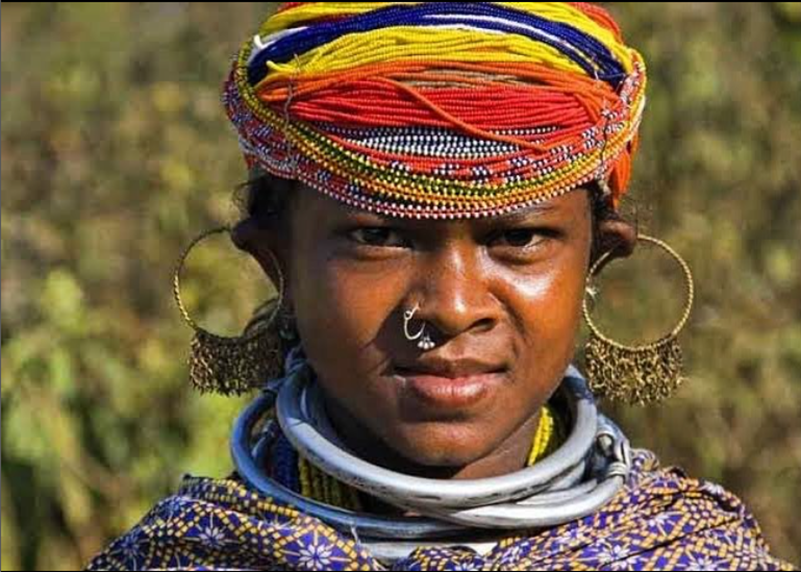

Tucked away in the dense green folds of the Gonasika Hills of Keonjhar, the Juang tribe of Odisha stands as one of India’s most ancient and resilient indigenous communities. The word “Juang” translates to “sons of man,” an apt reflection of their deep connection to human origins, the earth, and the forest that sustains them.
Origins and Homeland
According to their oral traditions, the Juangs emerged in the sacred Gonasika Hills — the birthplace of the Baitarani River. For centuries, these hills have formed the spiritual and physical homeland of the community. Some Juangs later migrated to the plains of Dhenkanal and Pallahara during the late 19th-century Bhuiyan revolt, but their cultural heartbeat remains in Keonjhar.
Life and Occupation
Traditionally, the Juangs were hunters, gatherers, and shifting cultivators practicing toila chasa (slash-and-burn agriculture). Over time, they adapted to settled farming, basket weaving, and wood carving, crafting elegant combs, mats, and household items. These skills not only sustain their economy but also represent their artistry rooted in nature.
Culture and Social Structure
The Juang society is tightly knit, with villages that are usually uni-clan in structure. At the center of each settlement stands the Mandaghar—a youth dormitory and cultural hub. Here, young men and women are trained in community responsibilities, music, and dance. The dormitory also serves as a gathering space for communal decisions and festivities.
Attire and Identity
Historically called Patuas or “leaf-wearers,” Juang women wore skirts made of forest leaves as commanded by a river goddess according to legend. Today, while modern clothing has replaced the traditional leaf attire, the story lives on as a symbol of divine connection with the natural world. Men traditionally wore short loincloths, and both genders adorned themselves with simple ornaments made of beads and metals.
Beliefs and Spirituality
The Juang worldview blends animism, ancestral worship, and elements of Hinduism. They primarily worship Dharmadeota (the Sun God) and Basumatimata (the Earth Goddess), along with village deities and forest spirits. Rituals involve the sacrifice of animals, offerings of millet beer, and communal prayers held near sacred groves or stone idols.
Festivals and Folk Expressions
Their festivals mirror the rhythm of the earth and the agricultural cycle. Celebrations like Pusha Purnima, Amba Nuakhia, Akhaya Trutiya, Ashadhi, and Gahma are marked with rituals, feasts, and dance. Folk dances, such as the exuberant Changu dance, mimic birds and animals to honor the spirits of the forest. The Ambanuakhia festival, for instance, celebrates the first harvest and honors ancestors through offerings and traditional rice beer.
The Modern Transition
Recognized as a Particularly Vulnerable Tribal Group (PVTG), the Juangs today face the challenge of preserving their heritage amid modernization. State initiatives like the Juang Development Agency aim to improve education, healthcare, and livelihoods while encouraging the preservation of their linguistic and cultural heritage.
A Living Legacy
Despite modern pressures, the Juang continue to uphold their ancestral wisdom — evident in their sustainable agriculture, ecological reverence, and deep spiritual humility. In their songs, dances, and community rituals lies the essence of an ancient people who still see the forest not as a resource to exploit but as a living relative. The Juang tribe of Odisha, the true “sons of man,” remain a living testament to humanity’s bond with nature.